Nursing home, or residential care?
If you are unsure which kind of care your loved one needs, you are not alone. Here is the difference, what to look for and where to find help.
Both offer care and companionship. A nursing home also has its own nurses
A residential care home supports people with everyday life: washing, dressing, taking medicines, enjoying regular meals and feeling safe through the night. When clinical care is needed, the home works with the GP and community nursing team, who visit as required.
A nursing home has registered nurses on site around the clock. They work alongside carers to support people with ongoing, complex or changing health needs. Neither option is better in itself; the right one is the place that offers the level of care your loved one needs now, with room for the future.
How residential and nursing care differ day to day
These are the five areas families most often want to understand.
Help through the day
Carers help with personal care, getting around, meals and medicines, while learning each person's routines and preferences.
Carers offer the same everyday support, with registered nurses working alongside them on every shift.
The medical side
The GP and community nursing team visit when clinical care such as dressings or injections is needed.
Registered nurses are in the home to oversee medicines and provide care for wounds, catheters, swallowing difficulties and other health needs.
Who it suits
Someone whose health is fairly stable but who would benefit from personal care, greater safety, regular meals and companionship.
Someone with ongoing or complex health needs, or a condition that requires regular nursing judgement and may change over time.
The weekly fee
Usually lower than nursing care because registered nurses are not employed on site around the clock.
Usually higher because registered nursing care is included. People who qualify may receive an NHS-funded nursing care contribution.
If health changes
Many people remain settled with visiting community nurses. If needs become more complex, the home will talk with the family and professionals about whether nursing care is needed.
Because nurses are already there, care can often increase around the person without them having to leave their familiar room and relationships.
Signs it may be time to ask about nursing care
Needs often change gradually, which can make the right next step hard to recognise. Families often come to us when one or more of these things are happening.
Community nurses are visiting more often
Visits are becoming more frequent or involve more clinical care each time.
Medicines need closer oversight
Timing, side effects or frequent changes now need regular professional attention.
A wound or fragile skin needs ongoing care
Dressings, monitoring or pressure care are needed regularly rather than occasionally.
Moving safely needs more support
Getting up, using the bathroom or going to bed now requires two trained people or specialist equipment.
The hospital recommends nursing care
The discharge team feels returning home or moving to residential care would no longer be safe.
No single sign decides the answer. Talking it through with the GP, the nurses who know your loved one and the homes you are considering can bring the full picture together and help you choose support that feels safe, proportionate and right for your loved one.
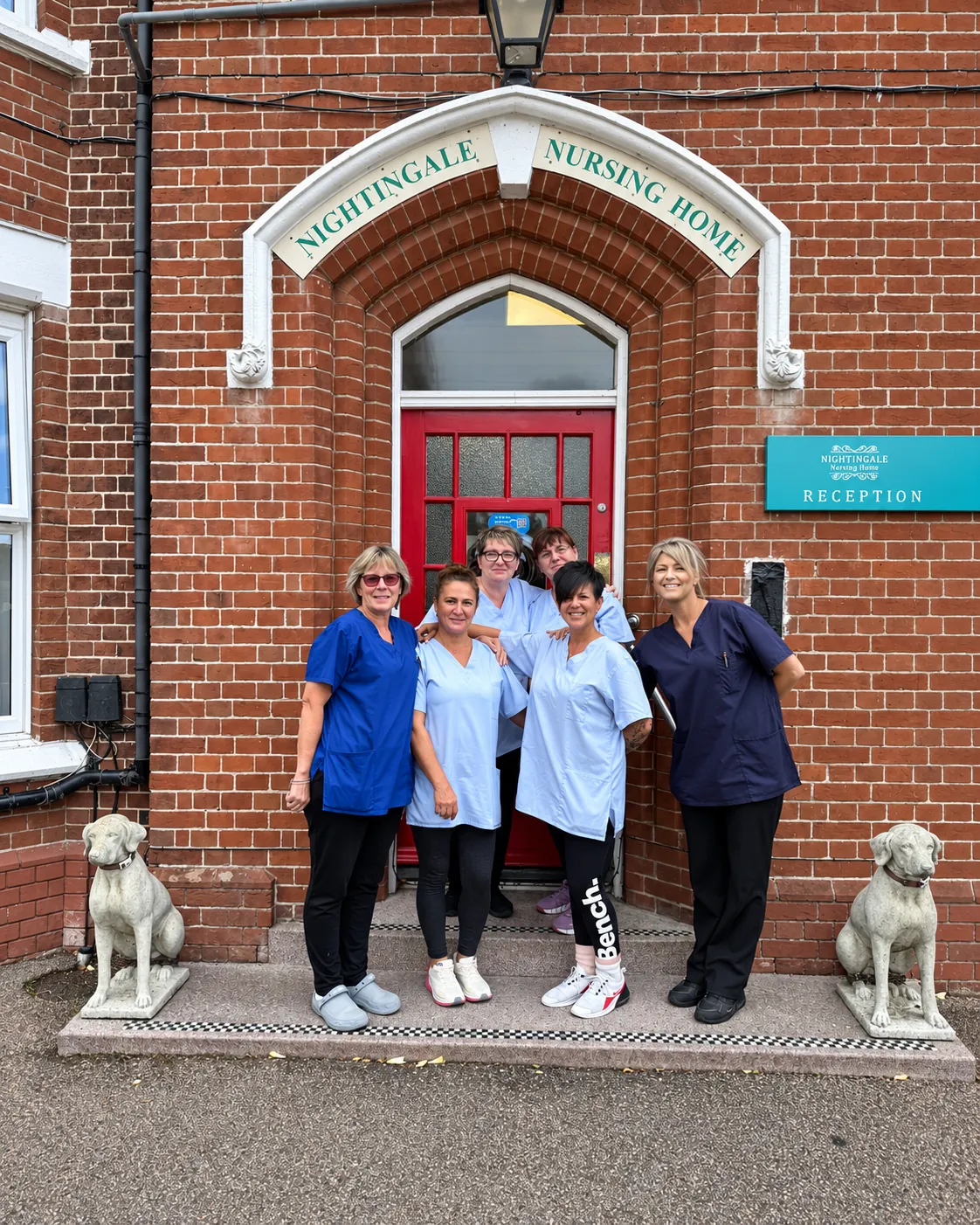
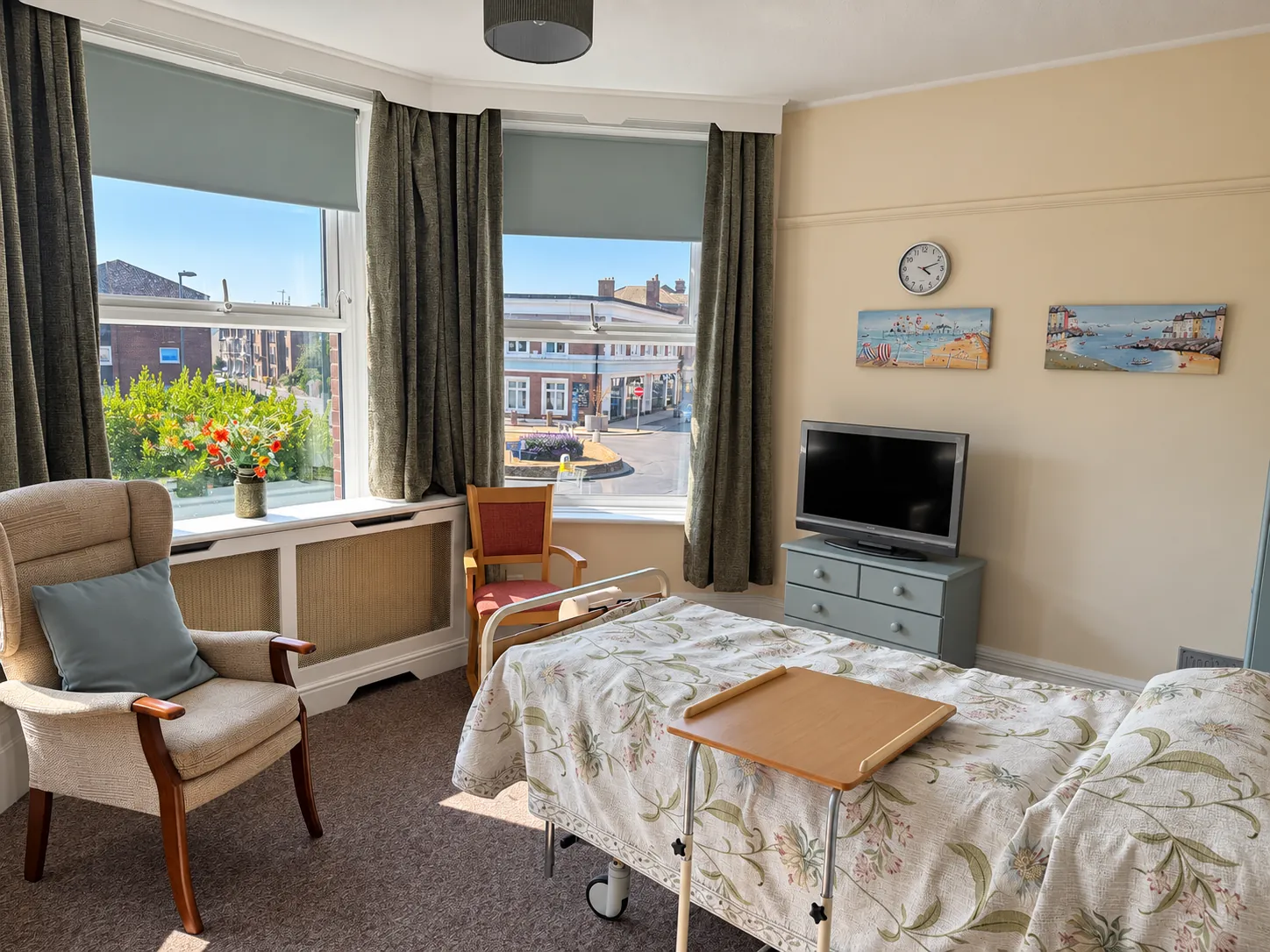
Whichever kind of care it turns out to be, the room, the faces at the door and the welcome are the same.
Nightingale, Beach Road
People who can help you decide
You do not have to work this out alone. Start with whoever already knows your loved one's health and circumstances best.
-
The GP
They can look at the wider health picture and explain whether your loved one's needs appear to have changed.
-
The community nursing team
If nurses already visit, ask whether that support could continue safely at home or in residential care, or whether nursing care is becoming more appropriate.
-
The hospital discharge team
If your loved one is in hospital, the discharge team can assess what support is needed and help arrange the next steps.
-
Any home you are considering
Talk to the homes you are considering about your loved one's routines, health and what has changed. You can call us on 01903 717376; if Nightingale is not the right fit, we will say so kindly and clearly.
Questions families often ask at this stage
No. Nursing homes provide registered nursing care around the clock, alongside everyday personal care. That extra clinical support and the equipment it may require are reflected in the fee. If your loved one does not need nursing care, a good residential home may be the more suitable choice.
Often, yes. Many people remain well supported in residential care with help from their GP and visiting community nurses. If nursing needs become ongoing or more complex, the home will need to discuss whether a move to nursing care would be safer.
Not by itself. Many people living with dementia are well supported in residential care. Nursing care may become appropriate when health needs involving medicines, swallowing, mobility, skin care or pain require regular clinical judgement. Nightingale provides both residential and nursing dementia care, so care can often increase without another move. There is more on our dementia care page.
It may. Some people with complex health needs qualify for NHS Continuing Healthcare, which is arranged and funded by the NHS. Others who have been assessed as needing nursing care may qualify for NHS-funded nursing care, a contribution paid directly to the home. Both are explained on our fees and funding page.
...The home is in an older building, while this may not suit some I think it has the feel of a home and not a hotel or a hospital... I think my mother receives excellent care and could not be in a better place or with nicer or better carers.
Review from carehome.co.uk
Talk it through with someone who understands
Tell us what life is like for your loved one now and what has begun to change. We will listen, answer your questions and help you work out whether residential or nursing care feels like the right next step.